





Lion’s Mane has quietly moved from ancient kitchens to modern wellness conversations. Parents, professionals and students are noticing this soft, snowy white mushroom that looks more like a pom pom than something you would sauté.
What makes Lion’s Mane fascinating is its unique combination of naturally occurring compounds. With growing research, Lion’s Mane is now one of the most widely discussed functional mushrooms.
With adults raving about the benefits, focus has now shifted to kids with anecdotal evidence mounting among parents for neurodivergent and ADHD symptom management.
Find out more about the science behind the fluff and why Lion's Mane is more than just another health trend!
What Is Lion’s Mane
Lion’s Mane, or Hericium erinaceus, is a soft, white mushroom that grows on hardwood trees. Its long strands create the characteristic “mane”.
Lion's Mane has a long history of use in East Asian cuisine. Its gentle, mild flavour makes it easy to include in teas, broths, powders and supplements.
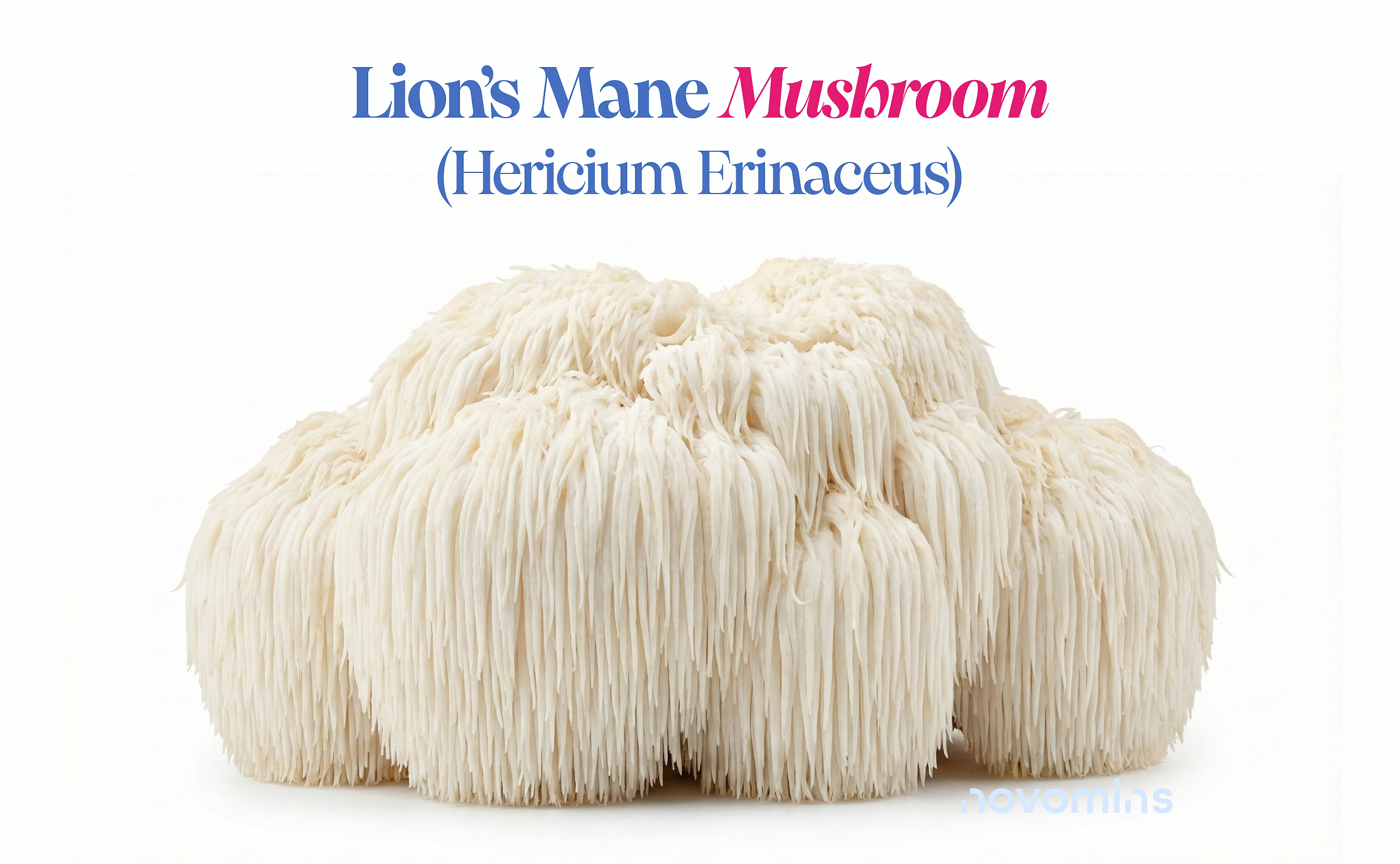
Most supplements use the fruiting body, the part traditionally eaten and rich in natural compounds. Many families prefer extracts or gummies because they offer consistency and convenience.
What Makes Lion’s Mane Unique
Lion’s Mane is more than just a pretty mushroom. Behind its soft, shaggy appearance is a mixture of naturally occurring compounds that have made it a focus of modern research, with an ever-increasing number of suggested potential benefits!
Polysaccharides
Polysaccharides are natural carbohydrate structures found in many plants and mushrooms.
In Lion’s Mane, they’re being studied for how they may interact with the immune system, support the gut, and help the body manage everyday oxidative stress.
⭐️ Why it matters: These interactions may support greater digestive ease, a steadier response to daily stressors and a more balanced sense of overall comfort.
View as text
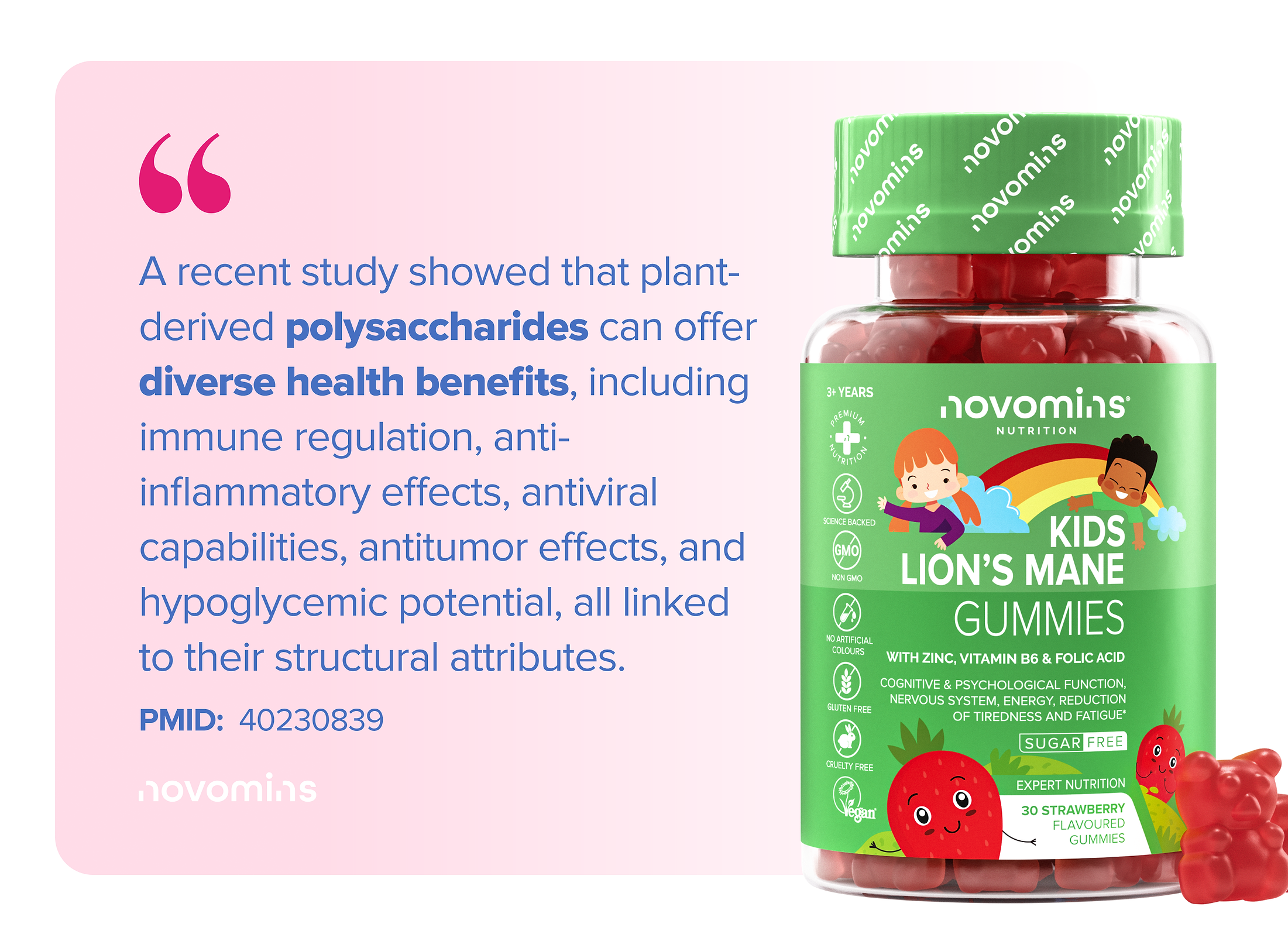
A recent study showed that plant-derived polysaccharides can offer diverse health benefits, including immune regulation, anti-inflammatory effects, antiviral capabilities, antitumor effects, and hypoglycemic potential, all linked to their structural attributes.
PMID: 40230839
Beta Glucans
Beta glucans are a special type of polysaccharide.
Researchers are exploring how they may support healthy immune signalling and help maintain a balanced gut microbiome.
In simple terms, beta glucans are being investigated for how they may help the body’s defence and digestion systems talk to each other more effectively.
⭐️ Why it matters: This interaction may lead to more digestive comfort, better tolerance to routine changes and a smoother day-to-day experience.
View as text
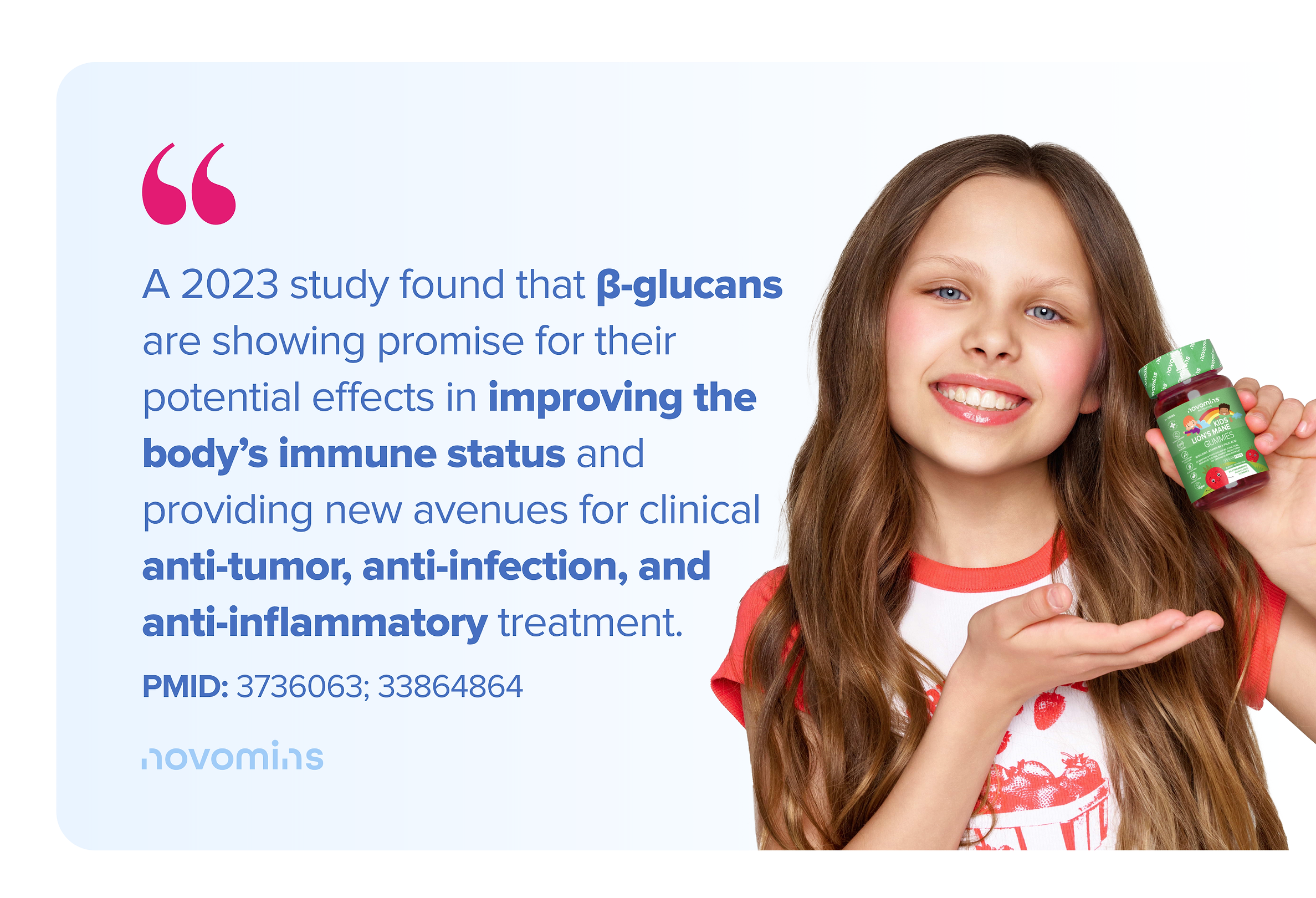
A 2023 study found that β-glucans are showing promise for their potential effects in improving the body’s immune status and providing new avenues for clinical anti-tumor, anti-infection, and anti-inflammatory treatment.
PMID: 3736063; 33864864
Hericenones
Hericenones are natural compounds found in the fruiting body of Lion’s Mane - the part you’d actually see and cook with.
Researchers are studying them because they appear to encourage nerve cells to grow tiny new branches, which are important for learning and communication in the brain.
Think of hericenones as gentle “nudgers” that may help support the brain’s natural growth and connection processes.
⭐️ Why it matters: Healthier nerve communication may support clearer thinking patterns, improved learning habits and an easier time processing everyday information.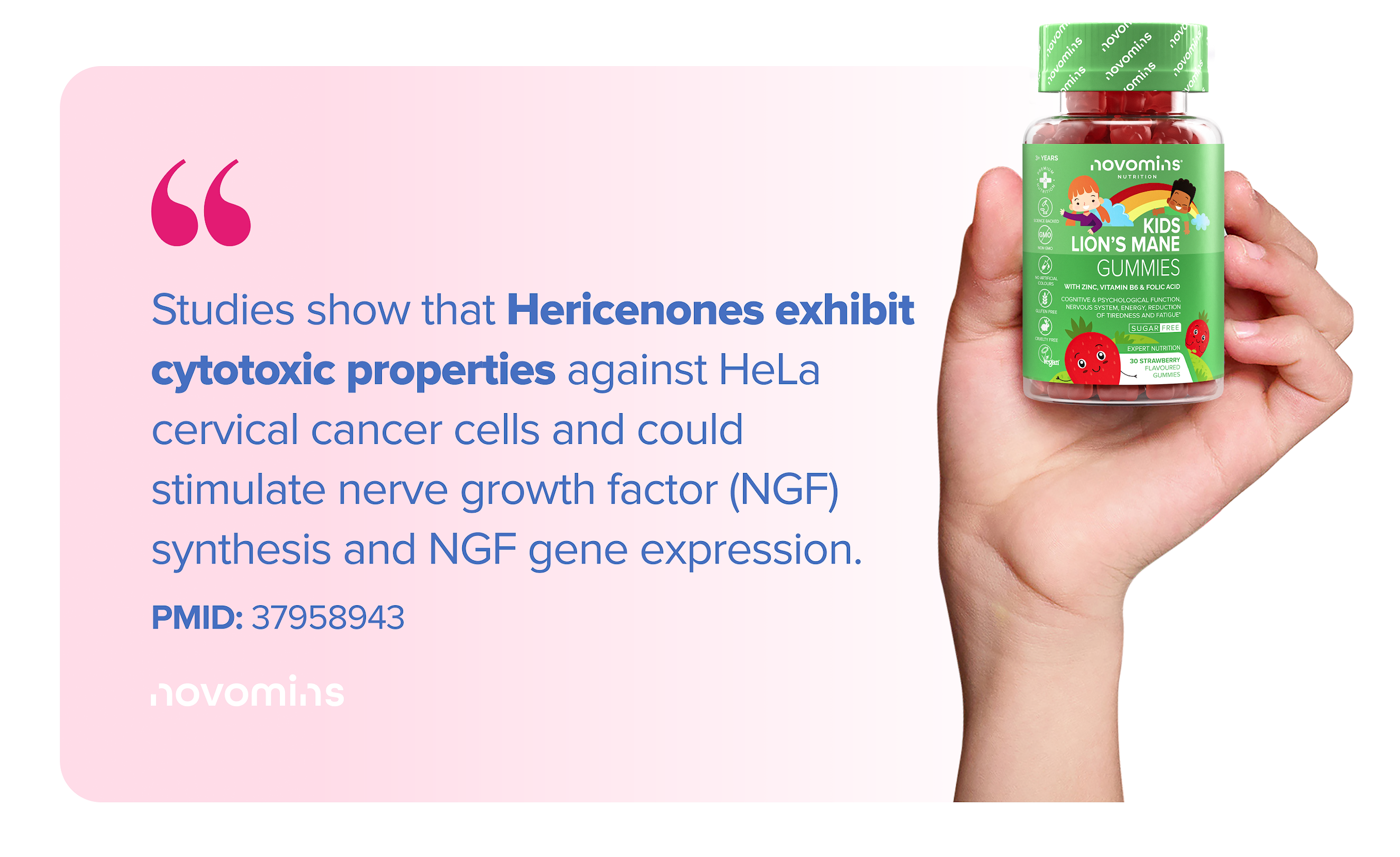
View as text
Studies show that Hericenones exhibit cytotoxic properties against HeLa cervical cancer cells and could stimulate nerve growth factor (NGF) synthesis and NGF gene expression.
PMID: 37958943
Erinacines
Erinacines come from the mycelium, the root-like network of the mushroom that grows inside wood.
Scientists are exploring erinacines for how they may support the way nerve cells communicate and how they behave in regeneration models.
In simple terms, erinacines are being investigated for their potential role in helping nerve cells stay active, responsive and well-connected.
⭐️ Why it matters: These pathways may contribute to sharper mental responsiveness, smoother information flow and greater consistency in daily thinking tasks.
View as text
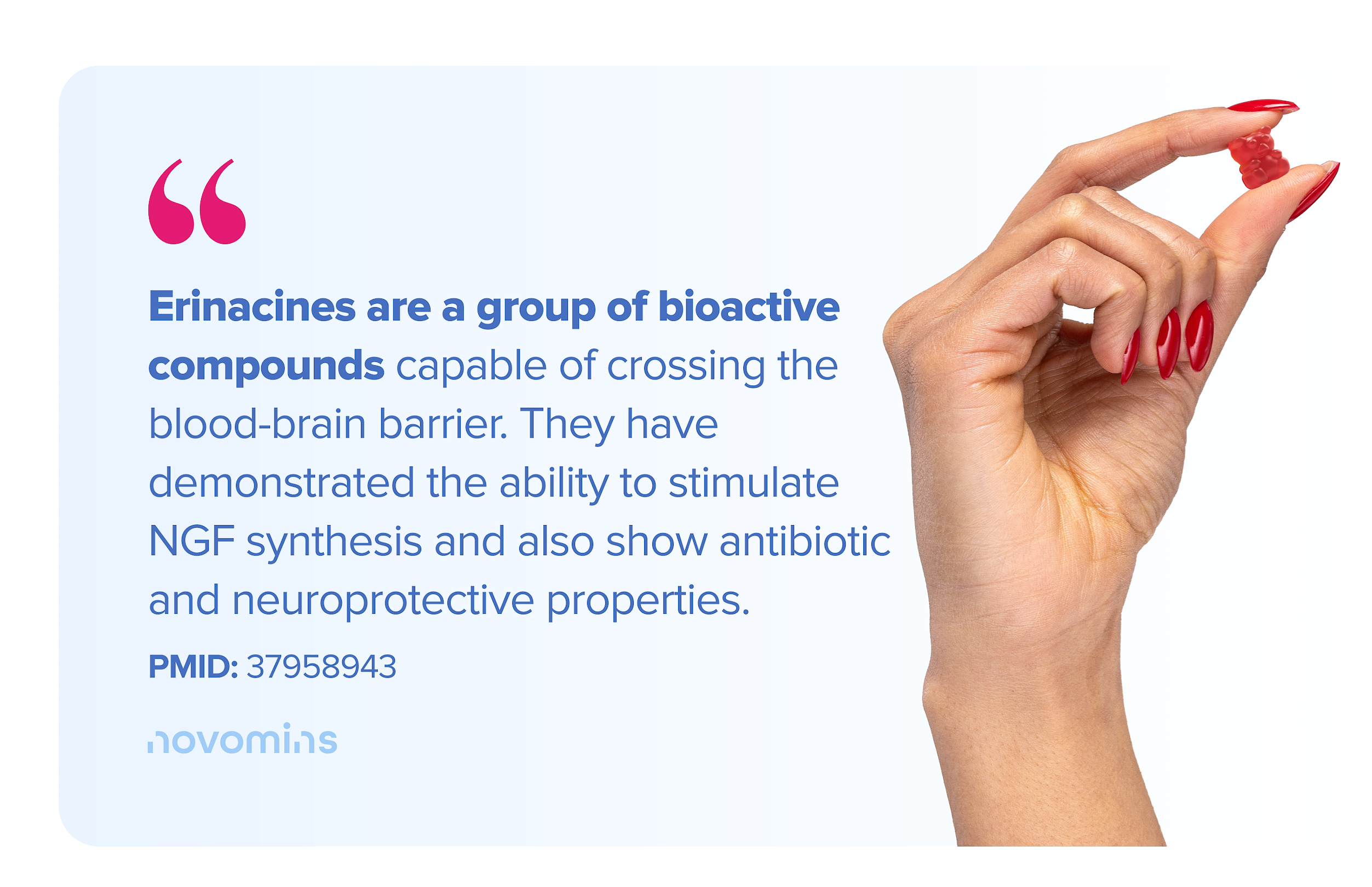
Erinacines are a group of bioactive compounds capable of crossing the blood-brain barrier. They have demonstrated the ability to stimulate NGF synthesis and also show antibiotic and neuroprotective properties.
PMID: 37958943
Terpenoid Metabolites
Terpenoids are natural plant and fungal compounds known for interacting with the body’s antioxidant and cell-protective systems.
Lion’s Mane contains its own unique mix of them, and researchers are interested in how they may help the body manage everyday cellular stress and support normal inflammatory balance.
Think of them as cell guardians that may help keep things running smoothly.
⭐️ Why it matters: Supporting antioxidant pathways may help manage day-to-day oxidative stress, promote long-term cellular wellbeing and maintain a sense of balance during busy routines.
View as text
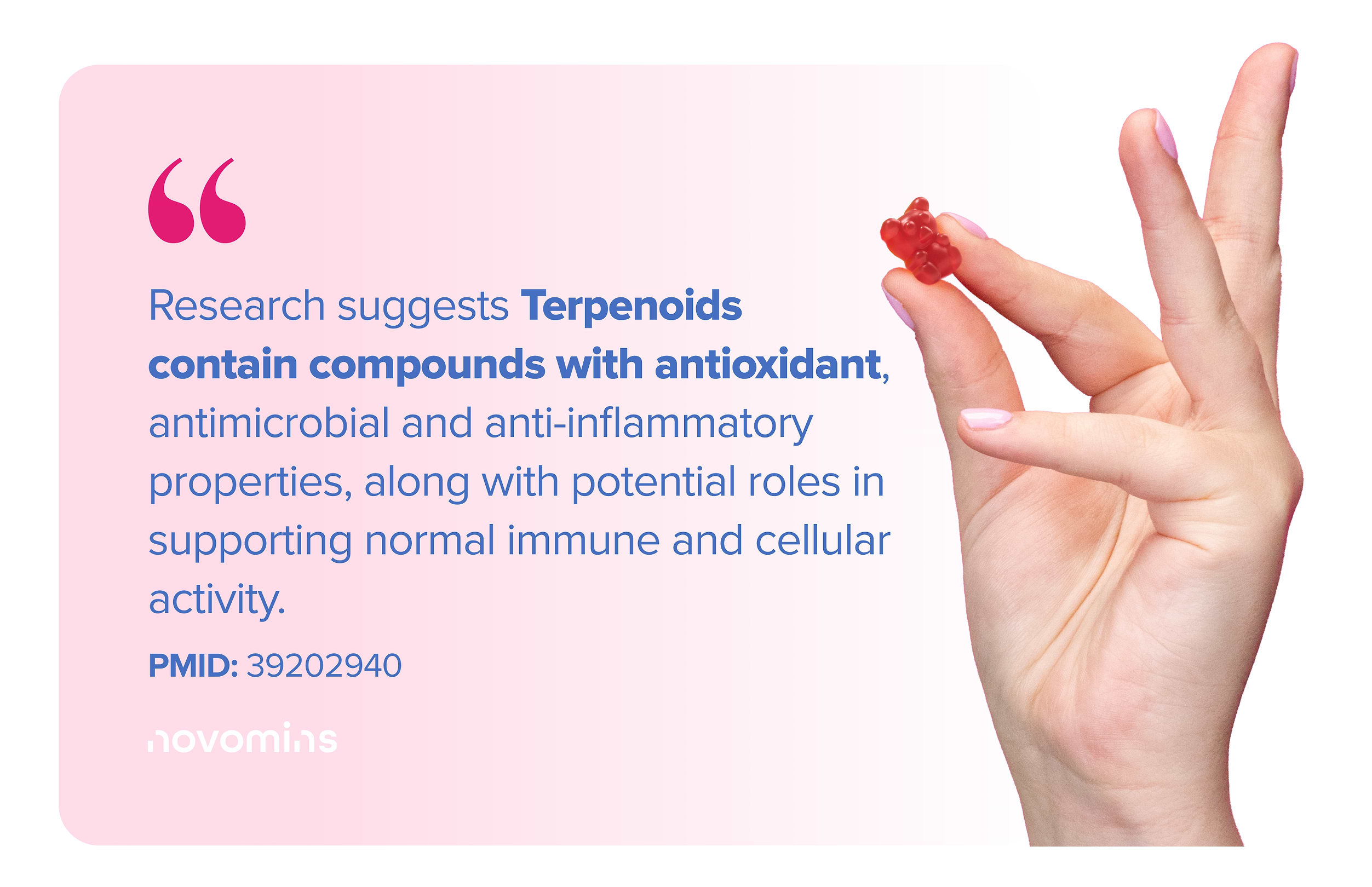
Research suggests Terpenoids contain compounds with antioxidant, antimicrobial and anti-inflammatory properties, along with potential roles in supporting normal immune and cellular activity.
PMID: 39202940
This rare combination of compounds helps explain why Lion’s Mane is so prominent in both traditional use and modern wellness discussions.
The Future of Lion’s Mane: What Studies Are Exploring
Research into Lion’s Mane continues to grow, largely because its natural compounds interact with several important pathways in the body. Here’s what scientists are currently exploring and why these areas matter in everyday life.
View as text
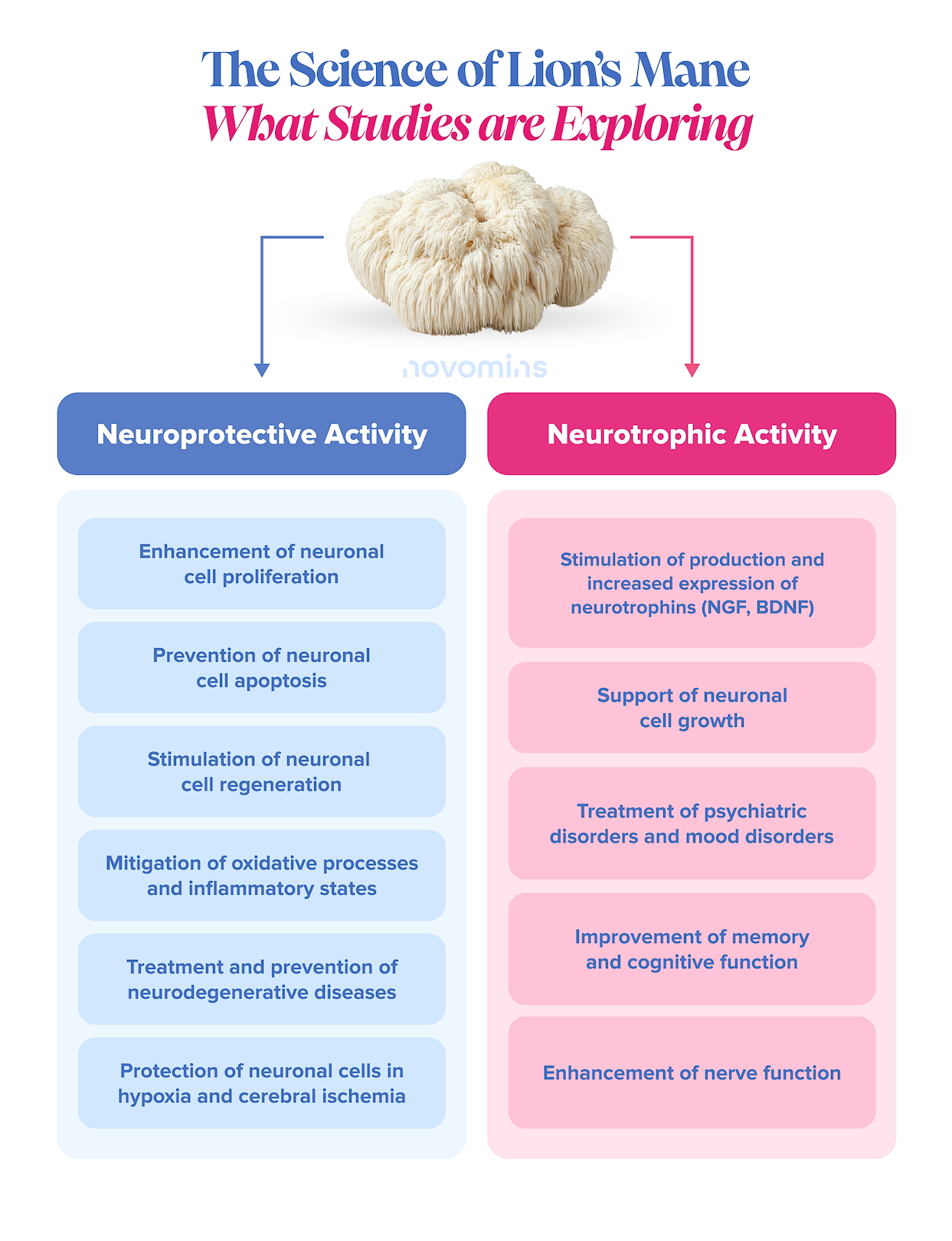
The Science of Lion’s Mane: What Studies are Exploring
| Neuroprotective Activity | Neurotrophic Activity |
|---|---|
| Enhancement of neuronal cell proliferation | Stimulation of production and increased expression of neurotrophins (NGF, BDNF) |
| Prevention of neuronal cell apoptosis | Support of neuronal cell growth |
| Stimulation of neuronal cell regeneration | Treatment of psychiatric disorders and mood disorders |
| Mitigation of oxidative processes and inflammatory states | Improvement of memory and cognitive function |
| Treatment and prevention of neurodegenerative diseases | Enhancement of nerve function |
| Protection of neuronal cells in hypoxia and cerebral ischemia |
Brain Pathways & Everyday Thinking
Studies suggest that Lion’s Mane may interact with nerve growth pathways and normal communication between brain cells.
Compounds such as hericenones and erinacines have been examined for how they may influence proteins involved in neuronal growth, learning and information processing.
⭐️ Why it matters: These pathways may contribute to how easily new information is absorbed, how smoothly thinking flows and how well the mind adapts during daily activities.
Mood and Emotional Balance
Preclinical studies indicate that Lion’s Mane may interact with pathways linked to emotional regulation.
Research has shown activity in brain regions involved in mood, as well as behavioural patterns associated with low mood or anxious tendencies.
⭐️ Why it matters: Supporting these pathways may influence how steadily emotions are managed and how balanced daily moods feel.
Antioxidant and Cellular Protection
Lion’s Mane contains natural antioxidant compounds, including terpenoids, that are being studied for their role in neutralising everyday oxidative stress. Early findings suggest they may support the body’s normal cellular defence systems.
⭐️ Why it matters: These processes relate to how well the body handles daily pressures and how effectively cells stay protected over time.
Heart and Circulation Pathways
Some early studies in adult models explore how Lion’s Mane may interact with circulatory markers and blood-related pathways, though this area of research is still developing.
⭐️ Why it matters: Circulatory health contributes to overall vitality and the smooth functioning of day-to-day physical activity.
Gut and Immune Interaction
Lion’s Mane is being studied for how it may influence gut comfort and immune signalling.
This includes research into the stomach lining, beneficial gut bacteria and markers within the digestive tract.
⭐️ Why it matters: These interactions may support digestive ease, comfort after meals and a balanced response to everyday immune challenges.
🍄 Overall, current research paints Lion’s Mane as a gentle, food-based mushroom with an fascinating profile of naturally occurring compounds.
Introducing Novomins Kids Lion’s Mane Gummies
Lion’s Mane is fascinating, and we're proud to present the first of its kind, Novomins Kids Lion's Mane Gummies!
Novomins Kids Lion's Mane Gummies include Lion’s Mane alongside nutrients that support normal cognitive and psychological processes for an easy way to incorporate this superfood into their daily routines.

TL;DR
- Lion’s Mane has become a modern wellness favourite, loved for its gentle, food-based profile.
- This fascinating mushroom contains are five standout compounds: polysaccharides, beta glucans, hericenones, erinacines and terpenoid metabolites, each one presenting its own area of scientific interest.
- Research is exploring how these compounds interact with pathways linked to thinking, mood balance, gut comfort, immunity and antioxidant activity.
- As studies grow, so does the curiosity around Lion’s Mane and its role in everyday wellbeing.
- Novomins Kids Lion’s Mane Gummies offer a simple and delicious way to include Lion’s Mane alongside nutrients that support normal cognitive and psychological processes.