




Women’s health is not linear. It is cyclical, adaptive, hormonally intelligent and constantly recalibrating. From your first period through perimenopause and beyond, your endocrine system, nutrient demands and nervous system response evolve in predictable yet deeply personal ways.
Understanding the phases of your hormonal life allows you to support your body proactively rather than reactively. When you know where you are in your journey, you can build the right nutritional foundation and layer support where needed.
Why Females Have Unique Needs
From puberty to post menopause, women experience rhythmic hormonal fluctuations driven by the hypothalamic-pituitary-ovarian axis, the hormonal communication system between the brain and the ovaries that regulates the menstrual cycle, ovulation and reproductive hormone production.
Two key players in the female body are oestrogen and progesterone, powerful steroid hormones that extend far beyond reproduction. They function as systemic regulators across multiple organs and tissues.

View as text
Across the lifespan, oestrogen & progesterone directly influence:
- Brain chemistry
- Cognitive performance
- Thyroid signalling
- Bone remodelling
- Iron balance
- Gut microbiome composition
- Stress resilience
- Sleep architecture
Brain and Neurochemistry
Oestrogen is known to enhance serotonin and dopamine activity, supporting mood regulation, motivation and cognitive processing. It also has neuroprotective effects that support memory and neuronal health.
Progesterone has been found to support GABAergic activity, producing calming effects and supporting emotional stability. As progesterone declines in the late luteal phase or during perimenopause, anxiety and sleep disruption often increase.
Thyroid Interaction
Your thyroid makes hormones, T3 and T4, that can influence energy, mood, temperature, and metabolism.
In your bloodstream, most of these hormones travel attached to a carrier protein called thyroid binding globulin. When they are attached, they are inactive. Only the small portion that is “free” can enter your cells and actually do the work.
Oestrogen increases this carrier protein, which means more thyroid hormone can become bound and less is freely available. Even if total thyroid levels look normal on a blood test, the active portion may be slightly reduced.
Progesterone helps balance this by not stimulating the carrier protein in the same way, supporting a steadier level of free, usable thyroid hormone.
So shifts in oestrogen and progesterone can influence how available your thyroid hormones are, which may affect how you feel, especially if your thyroid is already sensitive.

Bone Health
Studies have shown that oestrogen suppresses bone breakdown, while progesterone supports bone formation through osteoblast activity. When oestrogen declines rapidly at menopause, bone turnover accelerates.

View as text
Global data shows that women can lose up to 20 percent of bone mass in the first five to seven years after menopause, which significantly increases long term fracture risk.
Iron Status
The withdrawal of oestrogen and progesterone each cycle triggers endometrial shedding and menstrual blood loss.
Heavier or irregular bleeding may affect iron balance. This increases iron requirements throughout reproductive years.
Gut Microbiome and the Estrobolome
The gut microbiome plays a direct role in regulating oestrogen metabolism through the estrobolome, a collection of bacterial genes that influence oestrogen recycling.
Studies found that lower oestrogen states, such as post menopause, are associated with reduced microbial diversity and lower levels of beneficial bacteria including Lactobacillus. Gut imbalance may alter oestrogen clearance and influence inflammation.
Studies also found that oestrogen helps maintain Lactobacillus dominance in the vaginal microbiome. When levels fluctuate or decline, vaginal pH can shift, increasing susceptibility to thrush, bacterial vaginosis, urinary tract infections, dryness and irritation.

Stress and Sleep
Oestrogen has been found to directly modulate the hypothalamic-pituitary-adrenal axis, which influences cortisol output. Progesterone, on the other hand, has sedative properties and supports sleep onset.

The Key Principle of Balance
It is not only hormone levels that matter, but the balance between oestrogen and progesterone.
Relative oestrogen dominance from low progesterone or overall deficiency of both hormones is associated with increased symptom burden and greater long term health vulnerability.
Because these hormones influence multiple systems, women require consistent nutritional support across every life stage.
The Non-Negotiable Nutrient Foundation
Before layering support for PMS, perimenopause or menopause, baseline physiology must be supported.

Women’s Multivitamin: The Micronutrient Anchor
Hormonal cycling creates a unique demand for female nutritional support.
Our Women's Multivitamin is carefully formulated with 23 active ingredients known to support energy, immunity, hormonal balance, cognition, and bones.

View as text
What's inside? 23 active ingredients
Cognitive and Nervous System Support
- Pantothenic Acid contributes to normal mental performance
- Biotin, Vitamins B6 & B12 contribute to normal psychological function and the normal functioning of the nervous system
Energy Metabolism and Fatigue Reduction
Pantothenic Acid, Folic Acid, Vitamins C, B6 & B12 contribute to normal energy-yielding metabolism and reduce tiredness and fatigue
Bone and Muscle Health
- Vitamin D, K & Calcium for the maintenance of normal bones and teeth
- Manganese contributes to the maintenance of normal bones and normal connective tissue formation
Immune System Support
Vitamins A,C,D & Selenium contribute to the normal function of the immune system
Skin, Hair, and Nail Health
- Vitamin A & Biotin for normal skin and hair
- Vitamin C supports normal collagen formation for the skin
Hormonal and Metabolic Regulation
- Choline contributes to normal lipid metabolism
- Chromium contributes to the maintenance of normal blood glucose levels and normal macronutrient metabolism
- Vitamin B6 contributes to the regulation of hormonal activity
This is not enhancement, it is maintenance.
Novomins Women’s Multivitamin Gummies are also formulated with collagen and hyaluronic acid for beauty and skin health.
Women’s Bio-Balance: The Gut - Hormone Link
Hormones are metabolised and cleared through the liver and gut before elimination. The estrobolome determines how much oestrogen is recycled back into circulation versus excreted.
When microbial balance is stable, hormonal rhythm tends to be more predictable. When dysbiosis occurs, oestrogen clearance may become less efficient, potentially amplifying PMS symptoms, cycle irregularity or midlife fluctuations.
Oestrogen levels also influence the vaginal microbiome. During reproductive years, healthy oestrogen levels help maintain Lactobacillus dominance in the vaginal environment. These beneficial bacteria produce lactic acid, helping maintain an acidic pH that protects against overgrowth of harmful microbes.
When oestrogen fluctuates Lactobacillus levels may decrease. This can alter vaginal pH and increase susceptibility to common issues like recurrent thrush, bacterial vaginosis, and vaginal dryness or irritation.
Gut and intimate microbiomes are interconnected. Disruption in one often affects the other.
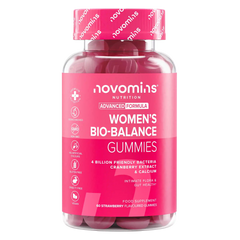
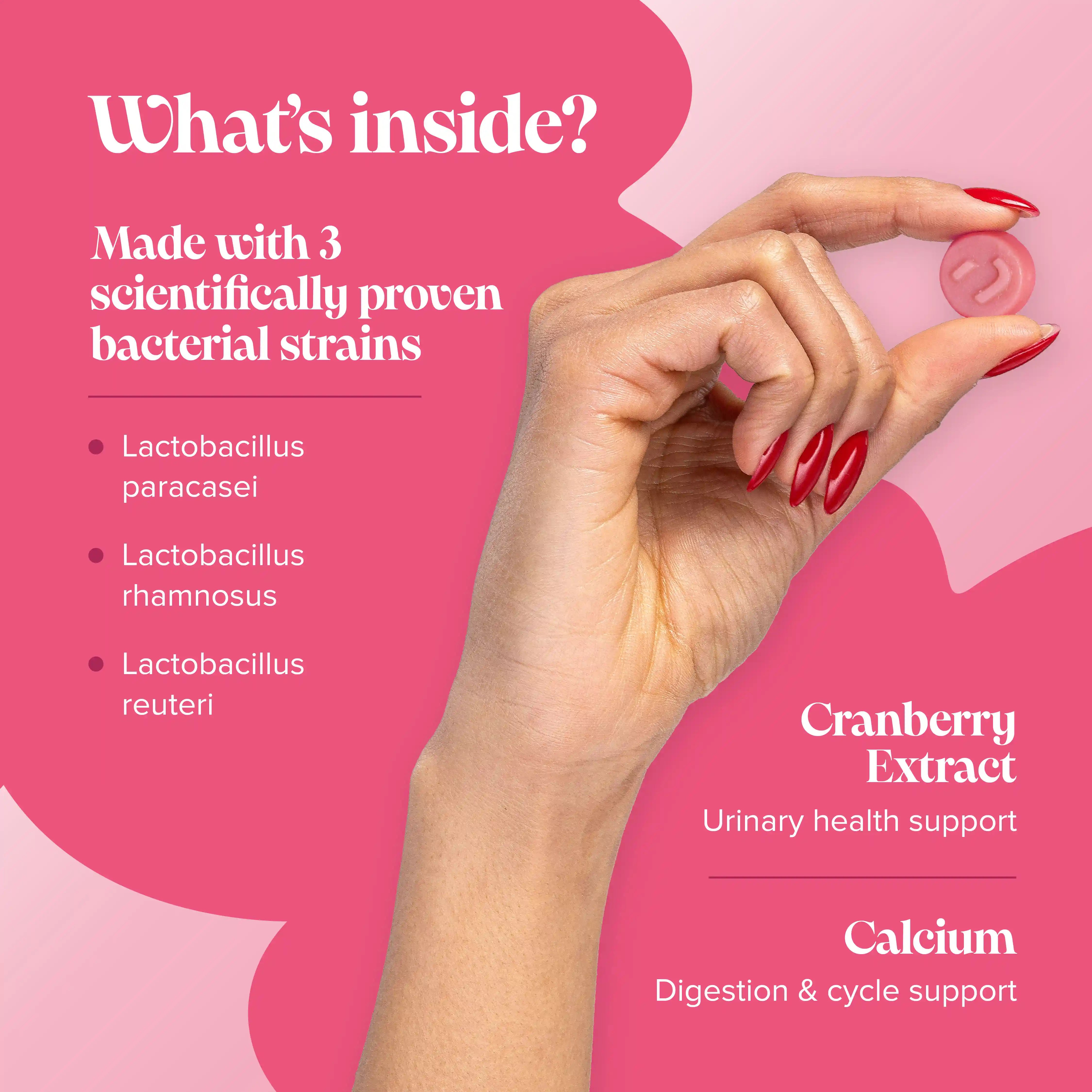
 Women’s Bio-Balance Gummies are carefully formulated with women in mind, delivering 4 billion friendly bacteria selected for their role in supporting both digestive and intimate microbiome balance.
View as text
What's inside?
Made with 3 scientifically proven bacterial strains
- Lactobacillus paracasei
- Lactobacillus rhamnosus
- Lactobacillus reuteri
Cranberry Extract
Urinary health support
Calcium
Digestion & cycle support
Because hormone metabolism and intimate health are deeply interconnected, supporting the microbiome is not an optional extra. It is foundational.
Together, these form the base layer for every phase of a woman’s life. From here, we personalise.
Phase 1: The Reproductive Years
When? Typically late teens through 30s.
How to know if you're here: If cycles are regular and symptoms cluster before menstruation, you are likely here.
The Biology: Biology at this stage includes consistent ovulation, cyclical hormone shifts and monthly iron turnover.
Common Struggles: Common challenges include bloating, breast tenderness, cramps, mood shifts, cravings, and period fatigue.

View as text
PMS Do's & Don'ts
Do
- Wear cotton underwear
- Change menstrual products regularly
- Drink enough liquids
- Track your cycles
- Eat a balanced diet
- Eat magnesium & iron rich foods
- Get enough rest
- Do aerobic exercise
Don't
- Don't use scented sanitary products
- Don't skip your annual checkups
- Don't wear synthetic underwear
- Don't eat too much inflammatory foods
What is a normal period?
This question gets asked frequently and lots of women only discover later in life that the pain, flow, or other symptoms they have experienced are not considered part of a "normal period". That being said, keep in mind that duration and flow vary across ages and lifestyles.
The 7-2-1 rule: 7-2-1 refers to the signs of a heavy period that possibly needs further investigation.
- 7 - cycles lasting longer than 7 days
- 2 - changing a pad/tampon every 2 hours or less
- 1 - passing blood clots more than 1 inch (2.5cm) in size
If you experience any of the above, it might be time to check in with your doctor.
PMDD: When Symptoms Become Disabling
A number of women with premenstrual syndrome (PMS) have disabling symptoms every month. This form of PMS is called premenstrual dysphoric disorder (PMDD). PMDD signs and symptoms include depression, mood swings, anger, anxiety, feeling overwhelmed, difficulty concentrating, irritability and tension. It is recommended to seek professional help if you are experiencing these symptoms.

Phase 1 Essential: PMS Gummies
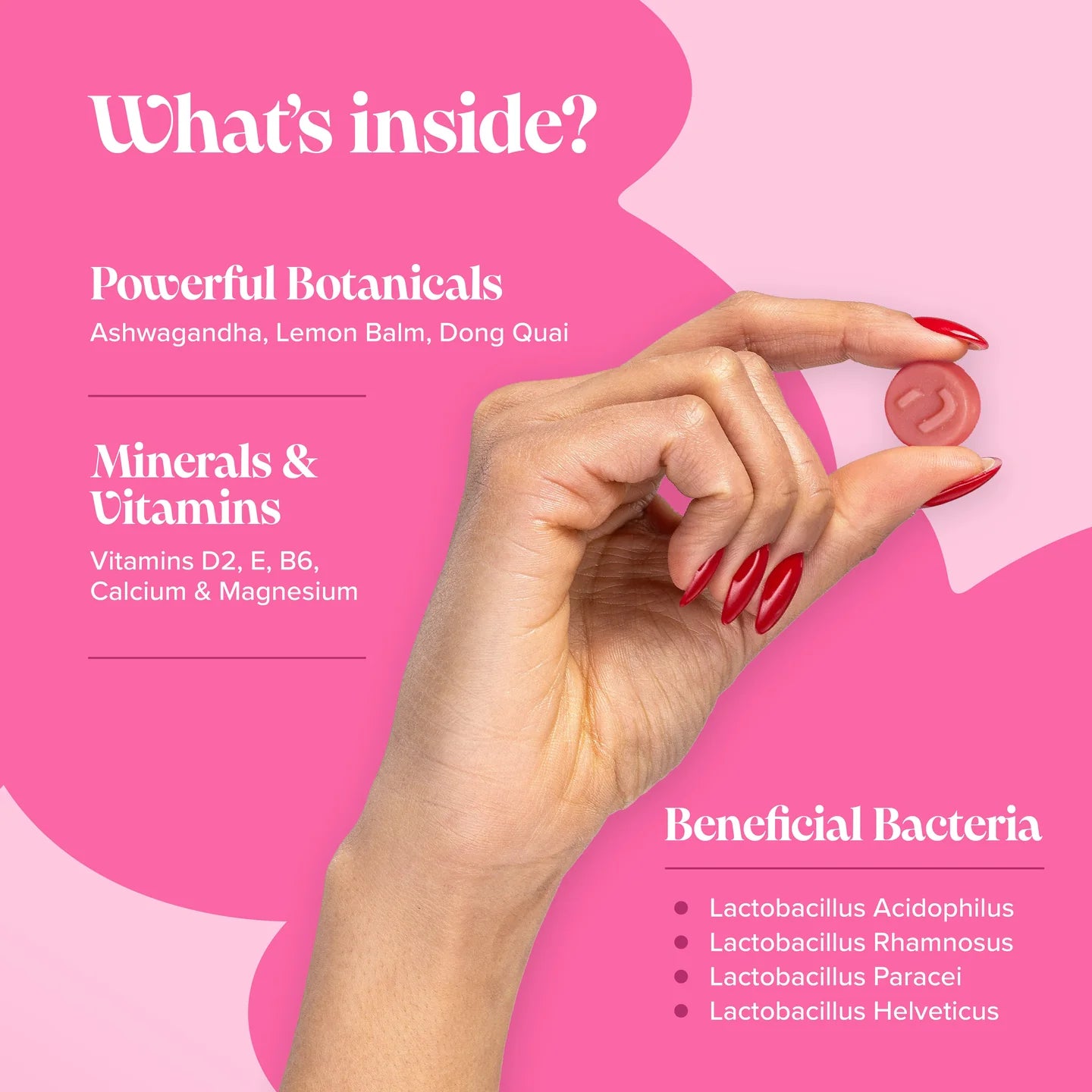
Our PMS Gummies are expertly formulated with essential vitamins, minerals, and botanicals known to support hormonal balance, mood, and energy.
View as text
What's inside?
Powerful Botanicals
Ashwagandha, Lemon Balm, Dong Quai
Minerals & Vitamins
Vitamins D2, E, B6, Calcium & Magnesium
Beneficial Bacteria
- Lactobacillus Acidophilus
- Lactobacillus Rhamnosus
- Lactobacillus Paracei
- Lactobacillus Helveticus
Phase 2: Perimenopause
When? Often beginning in the 40s.
How to know if you're here: If cycle length shifts consistently or symptoms feel new and unpredictable, this may be perimenopause.
The Biology: Progesterone declines first. Oestrogen becomes erratic. Ovulation becomes inconsistent. Nervous system sensitivity increases.
Common Struggles: Symptoms may include irregular cycles, night sweats, anxiety, heavier bleeding, and mood changes. You might also notice subtle shifts in hair, skin and nail appearance, vaginal dryness, along with sleep struggles and hot flushes.
View as text
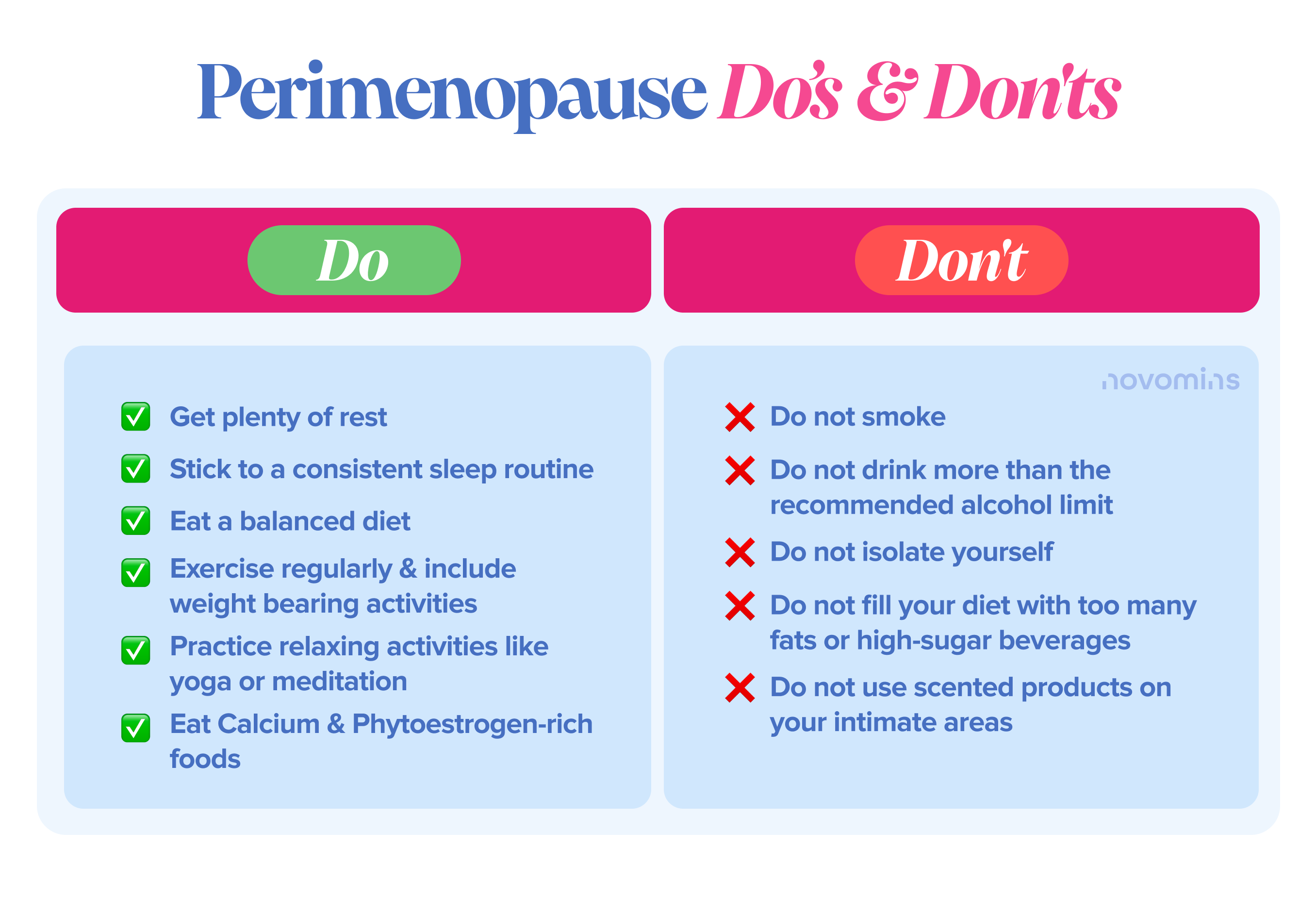
Do
- Get plenty of rest
- Stick to a consistent sleep routine
- Eat a balanced diet
- Exercise regularly & include weight bearing activities
- Practice relaxing activities like yoga or meditation
- Eat Calcium & Phytoestrogen-rich foods
Don't
- Do not smoke
- Do not drink more than the recommended alcohol limit
- Do not isolate yourself
- Do not fill your diet with too many fats or high-sugar beverages
- Do not use scented products on your intimate areas
What is normal during perimenopause?
Just like during your period, normal varies greatly from person to person, but if you experience any of the following, it might be time to check in with your doctor:
- Extreme bleeding
- Large clots
- Spotting between periods
- Bleeding after intimacy
- Bleeding for more than 7 days
- Less than 21 days between periods
Phase 2 Essential: Perimenopause Gummies
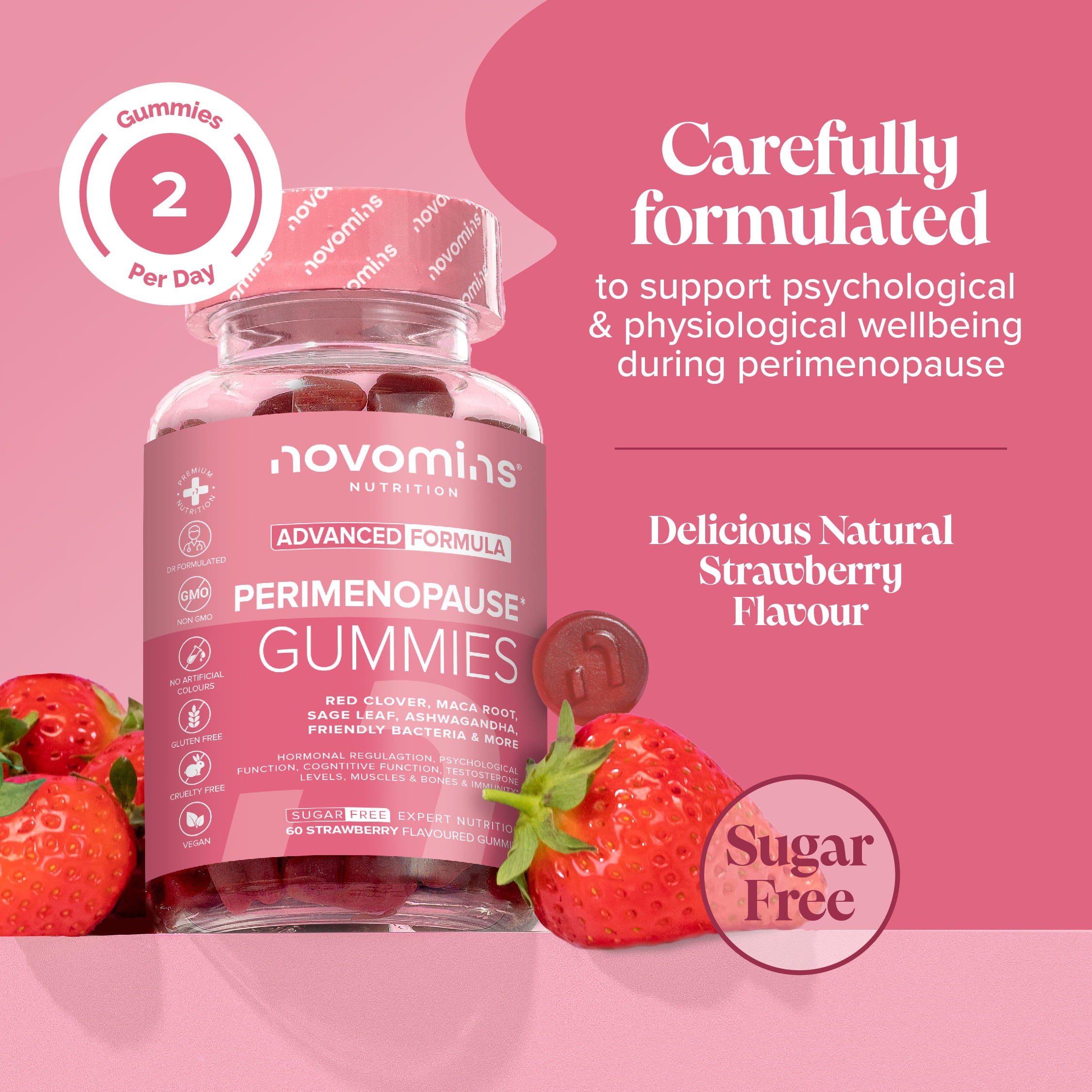
Novomins Perimenopause Gummies are specifically formulated for women, featuring a premium blend of vitamins, minerals, botanicals, and gut-friendly bacteria known to support energy, nervous system balance and overall wellbeing.
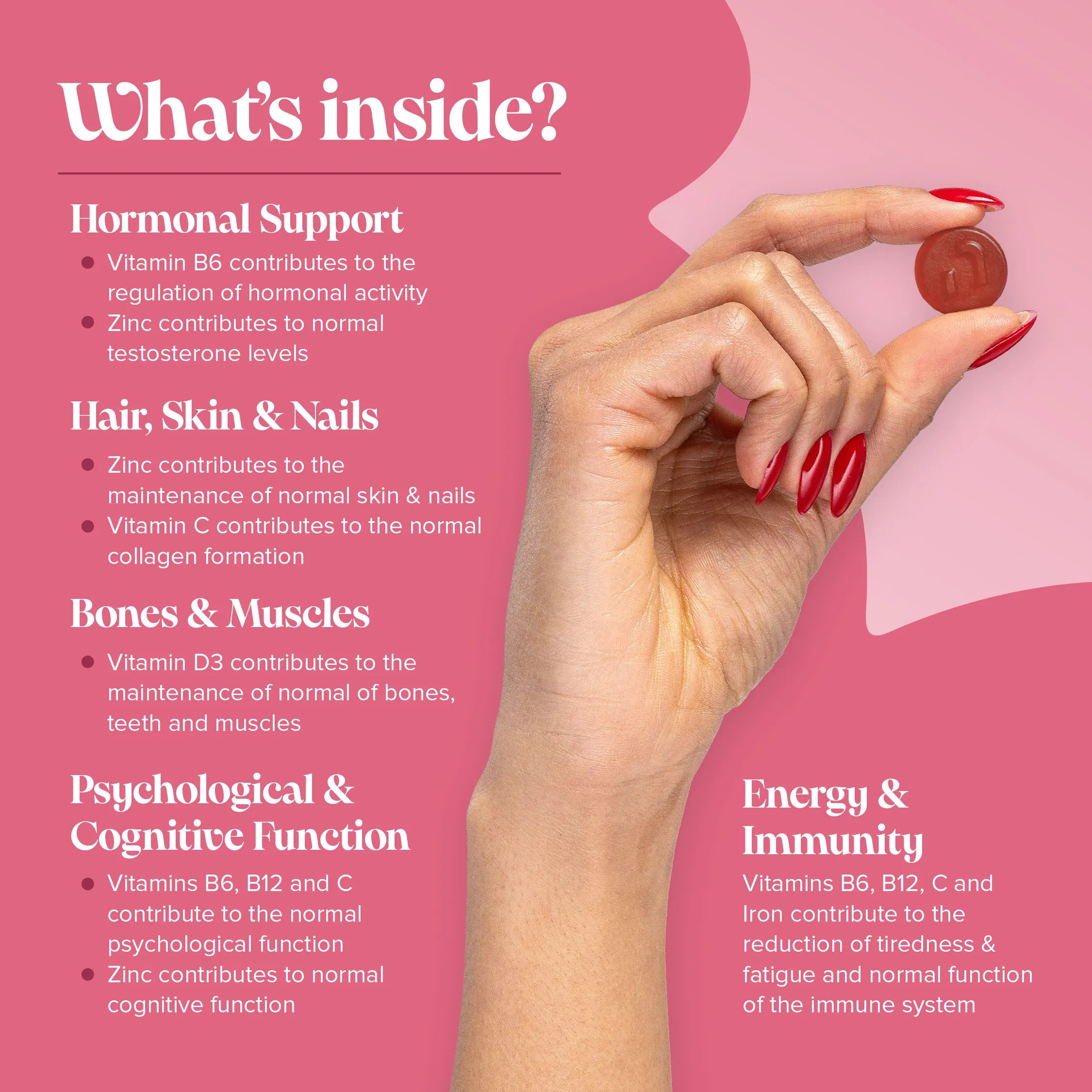
View as text
What's inside?
Hormonal Support
- Vitamin B6 contributes to the regulation of hormonal activity
- Zinc contributes to normal testosterone levels
Hair, Skin & Nails
- Zinc contributes to the maintenance of normal skin & nails
- Vitamin C contributes to the normal collagen formation
Bones & Muscles
- Vitamin D3 contributes to the maintenance of normal of bones, teeth and muscles
Psychological & Cognitive Function
- Vitamins B6, B12 and C contribute to the normal psychological function
- Zinc contributes to normal cognitive function
Energy & Immunity
Vitamins B6, B12, C and Iron contribute to the reduction of tiredness & fatigue and normal function of the immune system
We also added powerful phytoestrogens & adaptogens known for their role in supporting balance and targeting inflammation.

View as text
Powerful Phytoestrogens & Adaptogens
- Red Clover
- Ashwagandha
- Sage Leaf Extract
- Siberian Ginseng Extract
- Maca Extract
- Ginkgo Biloba Extract
Reinforced with scientifically proven probiotics
- Lactobacillus Reuteri
- Lactobacillus Acidophilus
- Lactobacillus Rhamnosus
- Bifidobacterium Longum
For intimate and gut health
Phase 3: Menopause and Post Menopause
When? Often beginning in the late 40s to early 50s
How to know if you're here: Defined by twelve consecutive months without menstruation.
The Biology: Bone breakdown accelerates. Sleep patterns shift. Microbial diversity may decline.
Common Struggles: Common challenges include hot flushes, sleep disruption, changes in body composition, mood changes, vaginal dryness, and changes in hair & skin conditions.
View as text
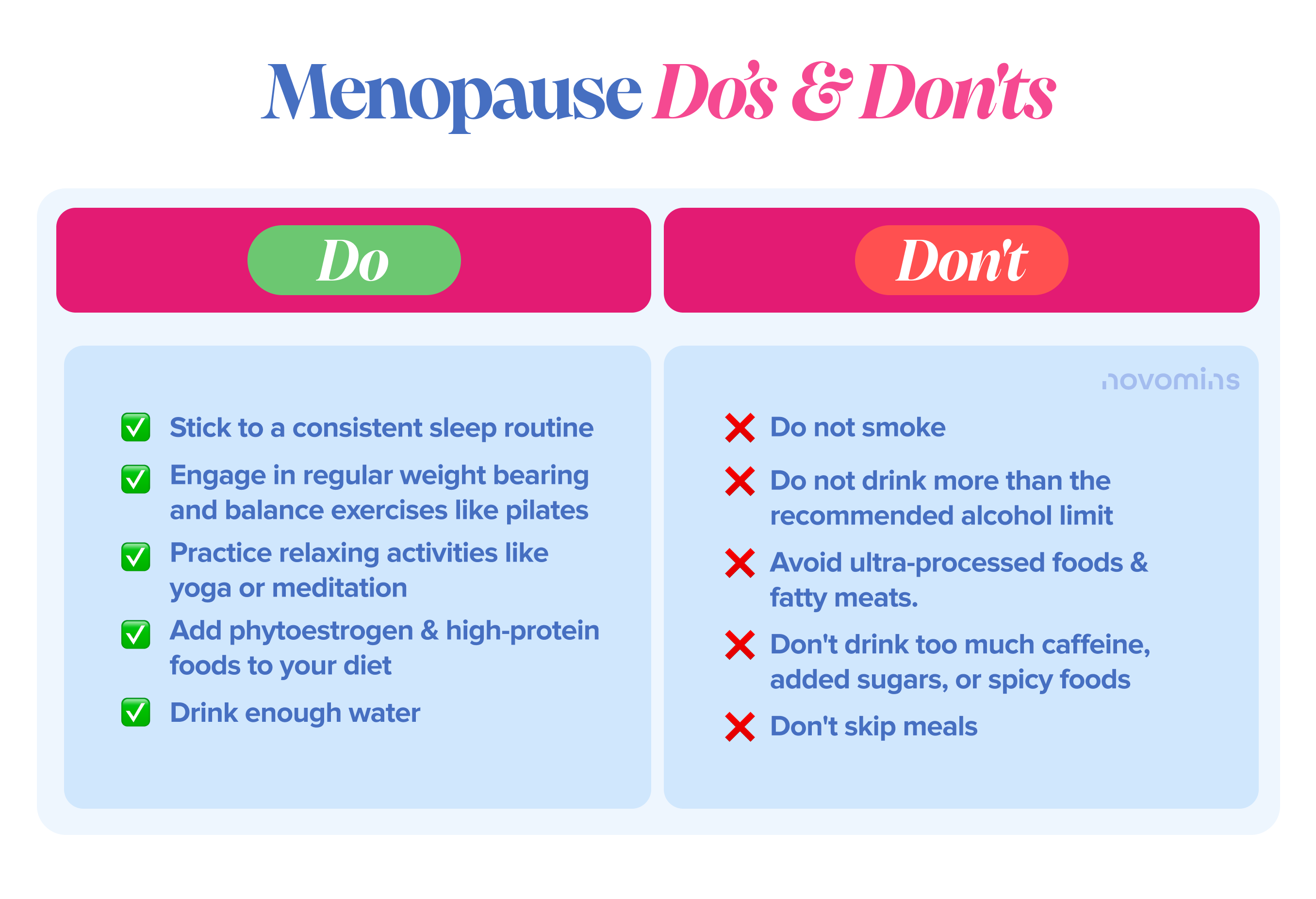
Do
- Stick to a consistent sleep routine
- Engage in regular weight bearing and balance exercises like pilates
- Practice relaxing activities like yoga or meditation
- Add phytoestrogen & high-protein foods to your diet
- Drink enough water
Don't
- Do not smoke
- Do not drink more than the recommended alcohol limit
- Avoid ultra-processed foods & fatty meats.
- Don't drink too much caffeine, added sugars, or spicy foods
- Don't skip meals
What is normal during menopause?
Just like all other phases of your hormonal journey, normal varies greatly from person to person, but if you experience any symptoms that are severe and interrupt your daily life it is advised to see your healthcare professional. These may include:
- Bleeding or pain during/after intercourse
- Sleep disturbances
- Urinary incontinence
- Swelling of the legs
- Decreased libido (significant change when compared to previous years)
- Any new symptoms that interrupt your daily life.

Phase 3 Essential: Menopause Gummies
Our Menopause Gummies are carefully formulated with 20 science-backed ingredients known for their key roles in supporting female health during menopause.

View as text
What's inside?
Hormone regulation
- Vitamin B6 contributes to the regulation of hormonal activity
- Zinc contributes to the maintenance of normal testosterone levels in the blood
Cognitive & Psychological Function
- Zinc contributes to normal cognitive function
- Vitamins B6, B12, C, Biotin, Folate & Magnesium contribute to normal functioning of the nervous system & psychological function
Skin, Hair & Nails
- Biotin & Zinc contribute to the maintenance of normal hair
- Vitamin A & Zinc contribute to the maintenance of normal skin
- Zinc contributes to the maintenance of normal nails
- Vitamin C contributes to normal collagen formation for the normal function of skin
Bones & Muscles Support
- Vitamin D, Zinc & Magnesium contribute to the maintenance of normal bones
- Vitamin D contributes to the maintenance of normal muscle function
- Vitamin C contributes to normal collagen formation for the normal function of cartilage, bones teeth & gums
Blood Glucose Control
Chromium contributes to the maintenance of normal blood glucose levels
Intimate Dryness
Vitamin A & Biotin contribute to the maintenance of normal mucous membranes
Metabolism
Vitamins B6, B12, C, Biotin & Magnesium contribute to normal energy-yielding metabolism
Energy Levels
Vitamins B6, B12, C, Folate & Magnesium contribute to the reduction of tiredness and fatigue
Powerful botanicals
- Ashwagandha
- Tribulus Terrestris
- Yam Extract
- Maca Root
- Seabuckthorn
2 gummies a day can help support overall resilience during this life stage of change.
Why Layering Matters
Your hormonal stage changes. Your biological need for micronutrients and gut integrity does not.
The difference lies in symptom intensity and system sensitivity.

View as text
A Gummy for Each Phase of Your Journey
- The Foundation – Females Aged 13+: Women's Multivitamin Gummies and Women's Bio-Balance Gummies
- Reproductive Years – Late Teens to Late 30s: PMS Gummies
- Perimenopause Years – 40s to 50s: Perimenopause Gummies
- Menopause and Beyond – 50+: Menopause Gummies
This is targeted support for every era of the female health journey.
The Takeaway
Your body is not unpredictable. It is transitioning with biological logic shaped by powerful steroid hormones that influence nearly every system you rely on.
When you understand your phase, you can support it intelligently.
Build the base. Then personalise the layer.
Whether you are navigating PMS, adjusting through perimenopause or moving confidently beyond menopause, we have a gummy for it.

 |
 |
 |